As part of my attempt to be more mindful of my actions and surroundings, I have become increasingly aware of what I eat over the last few weeks. I feel fortunate to have grown up in the countryside at a time when processed food was not widely available. Back then, I saw firsthand what it took to put food on the table: I watched chickens pecking at the ground, saw little chicks hatch, and played with the neighbors’ piglets. This was during my early childhood, long before I knew anything about industrial farming. In the Taiwan of the 1980s, processed food simply wasn’t common in rural areas. Since “screen time” wasn’t a thing yet—Taiwan had only three television channels—watching plants and animals grow was as good as entertainment got. It was a great experience, though I must admit, I have no desire to live in the countryside today.
It is easy to be mindless about our diet these days, as processed food provides all the convenience of modern life. While there is plenty of literature discussing why one should opt for whole foods and the health benefits of avoiding industrial nourishment, I became curious about something simpler: what does food in its original form actually taste like?
My first experiment was with fermented cacao nibs, the least processed form of chocolate I can find here in North America. These are easy enough to find at the supermarket, but the taste is nothing like the commercial chocolate sold in stores. Nibs are crunchy, chalky, and slightly bitter; they require effort to grind down with your teeth and certainly don’t “melt in your mouth.”
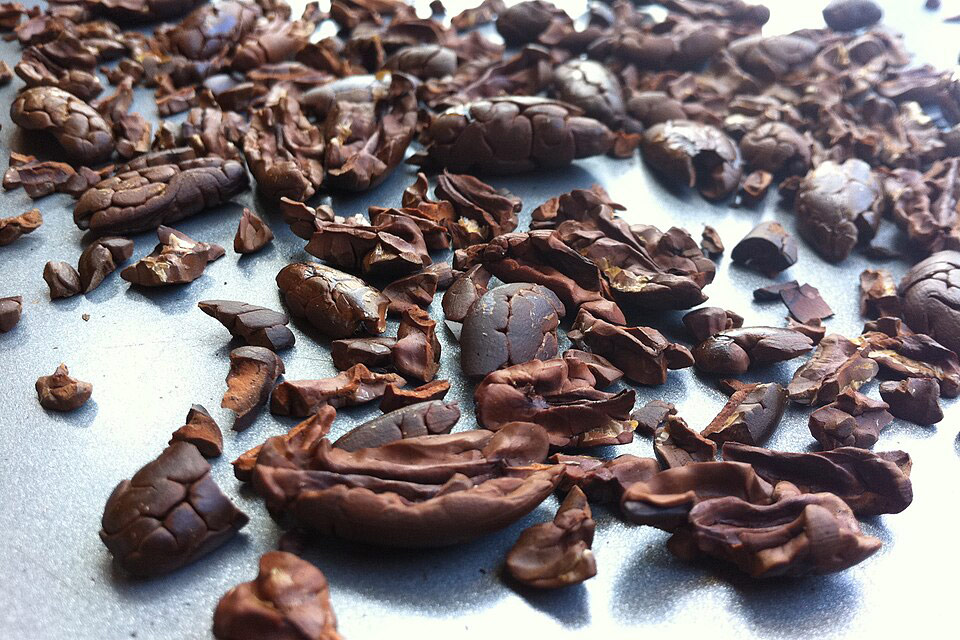
When I showed the package to a colleague and asked if they had tried them, the answer was a “yes” accompanied by a bit of disdain for the taste. We ended up discussing how the chocolate-making process requires days of “conching”—a refined grinding process—to ensure the texture becomes smooth enough to achieve that melt-in-the-mouth sensation consumers crave. My colleague reminded me that chocolate has a history stretching far back before the modern bars I’m accustomed to. Our conversation shifted to the sheer genius required to figure out which plants were edible, and how to process them so they became palatable—or even safe—for human consumption.
I am in awe of this human ingenuity. So many brilliant people before us figured out how to turn unpalatable raw materials into something delicious and sought after, even if that processing now comes with health consequences. I admire the spirit of those who took a toxin-heavy plant like cassava and transformed it into a staple food—and eventually into the bubble tea pearls so iconic to Taiwan. I can’t help but ask: how does an indispensable staple food for the peoples of Africa and South America turn into a confectionery beverage in Taiwan? There is a wealth of food history there that I have yet to uncover.
It takes immense trial and error to transform plants into something pleasing to the palate. It requires time to master the “kitchen chemistry” of artisanal sourdough or any number of other foods. Yet, ironically, this very history of refinement is now fueling a modern epidemic of ultra-processed health issues.
I still like refined carbohydrates. Sourdough bread, cakes, pastries, and bubble teas are all delicious. There are layers upon layers of food industrialization that remain invisible to me. I am also aware that even my fermented cacao nibs come with their own marketing—touted for antioxidants and polyphenols—and involve complex processing and logistics before reaching my grocery shelves. While I can’t single-handedly solve food inequality or the epidemic of ultra-processing, I can take the time, once in a while, to simply taste food in its closest resemblance to its original form. I’ll let the crunchy, chalky texture of cacao nibs remind me of the friction my ancestors endured to smooth out the path to our modern nourishment.